
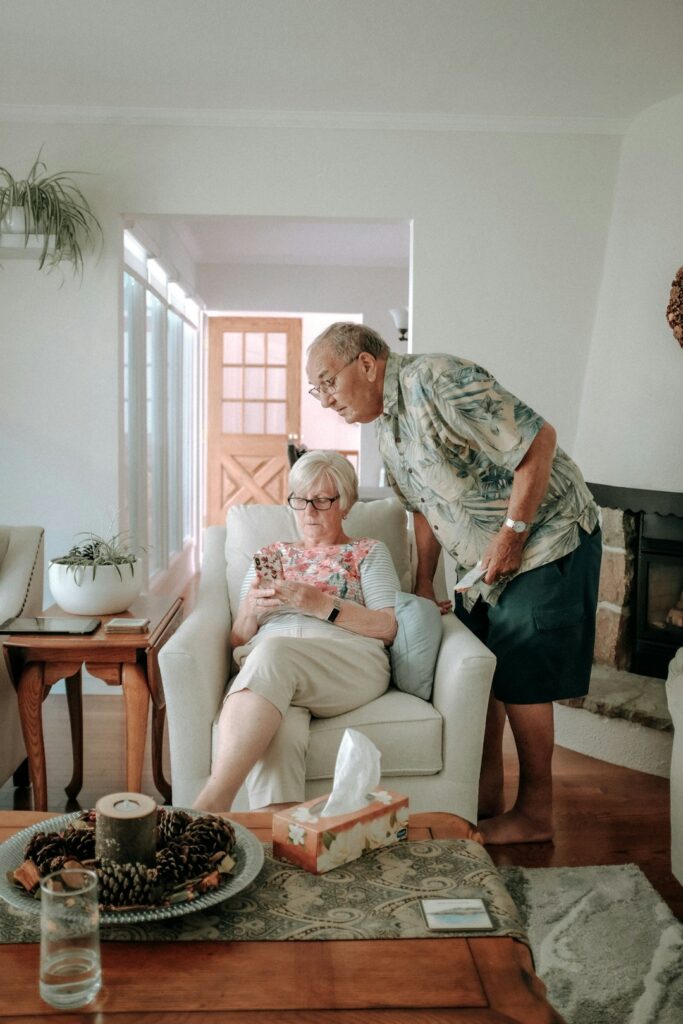
Intergenerational activities bring older adults and younger people together through shared conversation, learning, creativity, play, or community service. In assisted living, these activities can support emotional well-being, mental stimulation, physical engagement, and a stronger sense of connection.
For residents of Corry, PA, intergenerational programs may be especially meaningful because families and community members often remain connected across generations. Activities can take place inside an assisted living residence, in nearby community settings, or through regular visits arranged by families, schools, youth groups, and civic organizations.
What are intergenerational activities?
Intergenerational activities are planned experiences that involve people from different age groups. In assisted living, this may include older adults spending time with children, teenagers, young adults, or younger relatives.
Examples include:
- Reading together or sharing favorite books
- Cooking or baking from family recipes
- Making seasonal crafts
- Playing cards, board games, or simple indoor games
- Recording oral histories and family memories
- Gardening or caring for indoor plants
- Singing, playing instruments, or listening to familiar music
- Working on art, writing, or photography projects
- Completing service projects for the community
- Using tablets or computers to exchange photos and messages
The activity itself does not need to be complicated. A short, well-supported visit can be valuable when participants have enough time to talk and feel comfortable.
How do these activities benefit assisted living residents?
The most consistent benefit is social connection. Regular contact with younger people can reduce feelings of loneliness and give residents something positive to anticipate. Conversation also helps residents maintain relationships outside their usual daily routine.
Intergenerational activities may support several areas of well-being:
- Emotional health: Friendly interaction can improve mood and provide reassurance that residents remain valued members of the community.
- Cognitive engagement: Answering questions, recalling memories, explaining a skill, or learning something new gives the mind meaningful work.
- Communication: Residents have opportunities to tell stories, express preferences, and practice conversation in a relaxed setting.
- Sense of purpose: Sharing knowledge, teaching a craft, or helping a child complete a project can make a resident feel useful.
- Physical activity: Gardening, gentle movement games, dancing, or arts activities may encourage safe participation at different ability levels.
- Routine and anticipation: A scheduled visit or project can add structure to the week.
These benefits are not automatic. Activities work best when residents are treated as active participants rather than as passive recipients of entertainment.
What do younger participants gain?
Intergenerational programs also benefit children and young adults. They provide opportunities to practice patience, listening, empathy, and respectful communication with people whose experiences may differ greatly from their own.
Younger participants may gain:
- A better understanding of aging and disability
- Greater comfort communicating with older adults
- Exposure to local history and family traditions
- Practical knowledge, such as sewing, cooking, gardening, or woodworking
- A chance to ask questions and hear firsthand memories
- Positive experiences with people who use mobility aids, hearing devices, or memory support
A common misconception is that younger people must provide entertainment or assistance during every visit. A healthier approach is mutual participation. Both generations should have opportunities to teach, create, laugh, ask questions, and make choices.
Which activities work well for residents with different abilities?
Activities should be adaptable rather than designed for only one level of mobility, hearing, vision, or memory. The goal is to provide meaningful involvement without creating pressure.
For residents with limited mobility, suitable options may include tabletop gardening, music listening, storytelling, crafts, puzzles, or seated movement. Residents with hearing loss may benefit from quieter rooms, written instructions, good lighting, and face-to-face conversation.
For people living with memory loss, familiar activities are often more successful than activities that require complicated new instructions. Looking through old photographs, folding towels, sorting large objects by color, singing familiar songs, or discussing seasonal traditions can encourage participation without testing memory.
Residents who tire easily may prefer shorter visits. Others may enjoy longer projects that continue over several days. Staff and families should watch for signs of fatigue, frustration, overstimulation, or discomfort and adjust the activity accordingly.
How can families make visits more meaningful?
A family visit does not need to involve a special event. Simple preparation often makes the time more enjoyable.
Before visiting, families can:
- Ask about the resident’s current energy level and interests
- Bring large-print photographs or familiar objects
- Choose one activity instead of bringing too many options
- Allow extra time for introductions and conversation
- Avoid correcting every detail of a story
- Include the resident in decisions about what to do
- Keep phones and other distractions to a minimum
Younger visitors may need guidance about speaking clearly, waiting for a response, and respecting personal space. Children should understand that an older adult may move slowly, repeat a question, use a walker, or communicate differently. These differences should be explained calmly and respectfully.
During colder months, weather and road conditions may affect in-person visits in Corry. Indoor family projects, recorded messages, shared photo albums, and video conversations can help maintain connection when travel is difficult. Technology should supplement personal contact, not make residents feel obligated to use devices they find confusing.
How should assisted living communities plan these programs?

Successful programs usually have clear structure, flexible expectations, and staff support. A community may begin with a small recurring activity instead of a large event.
Helpful planning questions include:
- Which residents want to participate?
- What abilities, interests, and cultural backgrounds should be considered?
- Is the space quiet, accessible, and comfortable?
- Are supplies safe and easy to use?
- How will younger visitors receive age-appropriate guidance?
- What is the plan if a resident becomes tired or upset?
- Can the activity continue in another form during poor weather?
- How will feedback from residents shape future programs?
Programs should also protect privacy and dignity. Photographs, recordings, and online sharing should only occur with appropriate permission. Residents should never be pressured to participate, disclose personal information, or perform for visitors.
What are common mistakes to avoid?
Intergenerational activities can be less effective when they are planned mainly for appearances or special occasions. A crowded event may seem lively but still leave residents feeling overlooked.
Common problems include:
- Treating all older adults as having the same interests
- Choosing activities that are too noisy or physically demanding
- Expecting children to behave like miniature caregivers
- Making residents answer personal questions
- Moving too quickly between activities
- Ignoring language, cultural, or sensory differences
- Assuming a resident who is quiet is not interested
- Failing to provide alternatives for people who do not want group participation
A quiet conversation, one-to-one craft, or shared snack may be more meaningful than a large program. Quality of interaction matters more than the number of participants.
How can residents and families identify a good activity?
A useful activity is one that supports choice, comfort, and genuine connection. Residents should be able to participate actively, observe without pressure, or leave when they need rest.
Families can look for programs that:
- Match activities to residents’ abilities and interests
- Include younger participants as partners rather than helpers only
- Offer both group and individual options
- Provide accessible spaces and manageable noise levels
- Respect privacy and personal boundaries
- Continue regularly rather than occurring only once
- Invite resident feedback and make changes when needed
The strongest intergenerational relationships often develop through repeated, ordinary moments: a child asking about a favorite song, a resident teaching a card game, a teenager listening to a story, or several generations tending the same plants. These interactions help assisted living remain connected to family life and the wider community.
