

How Do Residents Mark Holidays in Assisted Living?
Most residents in assisted living communities celebrate holidays in ways that feel familiar, comforting, and social. For many, holidays are an important time for connection—both with other residents and with visiting family members. Traditions may need small adaptations to fit the lifestyle and regulations of assisted living, but holiday spirit remains strong.
Residents often gather for group meals, decorate common areas, swap stories about past celebrations, and enjoy entertainment or crafts related to each season. Making room for individual preferences helps everyone feel included, whether in larger events or quieter, one-on-one moments.
What Traditions Can Be Continued?
Long-standing traditions are often cherished, and plenty can be maintained even in a new living setting. Favorite foods are a common comfort. In many assisted living communities, residents can request festive meals or special treats—even if made outside traditional kitchens, with prepackaged items allowed under guidelines.
Decorating personal rooms with cards, small wreaths, or memorabilia from previous years adds a sense of home. For those who enjoy religious observances, some communities create space for service viewings or shared prayers, depending on residents’ interests and health.
Storytelling and music are traditions that adapt especially well. Residents often share holiday memories or sing favorite songs with fellow residents. These simple activities can carry much of the same meaning as larger family gatherings.
How Are Group Activities Arranged and What to Expect?
Holiday activities are usually organized well in advance to make sure everyone who wants to participate can join in. In Corry, many communities use local climate and space: in colder months, most events are held indoors. Activities might include:
- Ornament-making, card crafting, or cookie decorating
- Group sing-alongs or music performances from local volunteers
- Holiday movie afternoons or themed trivia challenges
- Shared meals with seasonal menus
- Light displays in common spaces
Staff help residents join activities at their own pace. Family or friends visiting from outside may be invited to special gatherings, though sometimes with advance notice for safety and planning. Activities are adjusted to be as inclusive as possible, considering different mobility or sensory needs.
Can Residents Celebrate Privately or Quietly?
Many residents appreciate quieter ways to mark holidays. Assisted living apartments or suites allow for personal rituals—lighting a menorah, displaying a nativity, reading favorite poems, or having a peaceful cup of tea with a friend.
Private visits with family members are often encouraged during the holidays. Residents are welcome to celebrate in their own rooms or shared spaces, as long as community guidelines (like fire safety or COVID protocols) are followed. For those preferring a low-key day, staff can help shield them from busy group events while ensuring social needs are still met.
Are There Holiday Scenarios Unique to Local Climate or Housing?
In Corry, holiday celebrations take extra cues from local seasonal realities. Winters can range from chilly to truly snowy, creating challenges and opportunities:
- Outdoor strolls or light displays might be limited or shifted to indoor alternatives, like crafting snowflakes or window painting.
- Winter safety is considered, ensuring pathways and gathering spaces are clear.
- Hot drinks, cozy blankets, and themed decor help create warmth and celebration even during the shortest, coldest days.
- Residents may share winter stories unique to the region, connecting newcomers with established community memories.
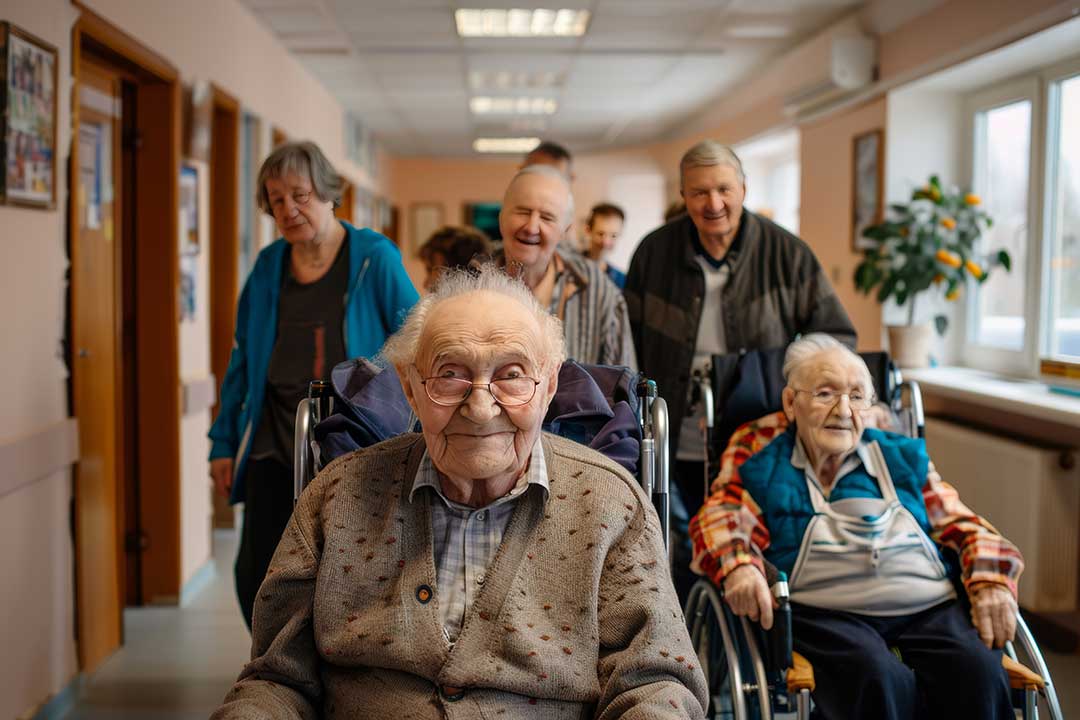
Because most local assisted living communities in Corry offer semi-private rooms and centralized dining, group events are scaled to the size of available common areas, sometimes leading to multiple small celebrations rather than one large gathering.
How Are Dietary Restrictions or Health Concerns Managed?
Celebrating holidays often includes special foods, but dietary needs do not have to dampen the fun. Kitchen staff in assisted living settings plan menus with allergies, diabetes, and texture needs in mind. Residents can usually request sugar-free, low-salt, or soft options for any festive meal. Those who bring treats from outside should check community guidelines—many communities allow only packaged goods for general sharing, to protect health.
Staff are trained to help residents enjoy as much of the celebration as they wish, monitoring for fatigue or overstimulation and offering rest breaks when needed.
What About Residents Without Local Family?
Not all residents have family nearby, but holidays can still be special. Community staff and fellow residents become surrogate family, offering connection and compassion. Activities may include writing cards to distant loved ones, video calls set up by staff, or community gift exchanges.
Some local volunteers may visit or send cards and small gifts to brighten the season for those without regular visitors. Residents can also spend time with neighbors who may be in similar situations, helping each other ward off loneliness.
How Are Special Religious or Cultural Holidays Handled?
Assisted living settings aim to recognize the diversity of traditions represented among their residents. Major Christian holidays are usually marked, but staff also strive to support those observing Hanukkah, Ramadan, Kwanzaa, or other celebrations. Options may include:
- Providing space for specific rituals or prayers
- Arranging for visiting faith leaders or digital services
- Sharing educational displays about different holidays with the wider community
Residents are encouraged to share their own traditions, helping build understanding and respect among their neighbors.
