
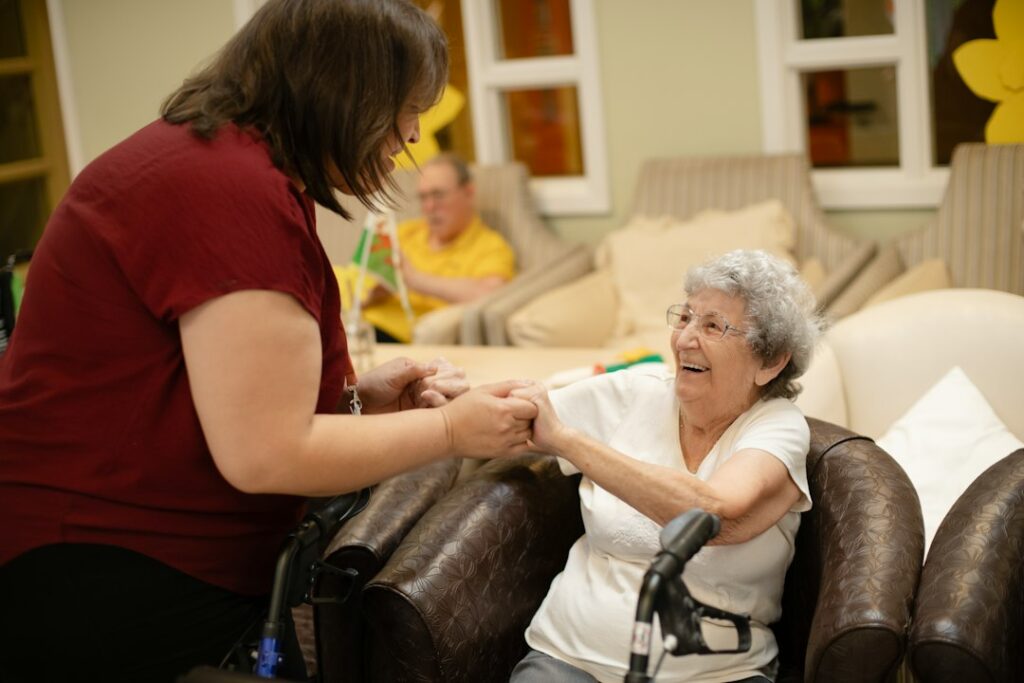
What does good dementia support look like in assisted living?
Good dementia support helps a resident remain safe, respected, involved, and as independent as possible. The focus is not only on memory loss. Staff and family members also need to understand the person’s routines, preferences, abilities, health needs, communication style, and sources of comfort.
A useful care plan should describe more than diagnoses and medications. It may include:
- Preferred name and language
- Usual sleep and meal patterns
- Favorite music, foods, hobbies, and spiritual practices
- Personal history and meaningful life experiences
- Triggers for anxiety, frustration, or withdrawal
- Ways the person communicates pain, hunger, fear, or discomfort
- Mobility needs and risks related to falls or wandering
- Activities the person can still complete independently
Dementia changes over time, so the plan should be reviewed whenever there is a noticeable change in behavior, communication, appetite, sleep, mobility, or mood.
How should family members communicate with a resident who has dementia?
Use short, calm statements and focus on one idea at a time. Speak directly to the resident, make eye contact, and allow extra time for an answer. A person may understand more than they can express.
Questions with limited choices are often easier than open-ended questions. For example, “Would you like tea or water?” may work better than “What would you like to drink?”
Helpful communication habits include:
- Use the person’s name before speaking.
- Reduce background noise from televisions, radios, or several conversations.
- Keep your voice even and respectful.
- Avoid correcting every mistake or arguing about facts.
- Rephrase a question if the first wording is confusing.
- Pay attention to facial expressions, gestures, posture, and changes in tone.
- Do not discuss the resident as if the person is not present.
- Avoid baby talk or a childish tone.
If a resident insists on something that is not accurate, the goal is usually reassurance rather than winning an argument. Someone who says, “I need to go home and get ready for work,” may be expressing fear, uncertainty, or a need for familiarity. A calm response such as, “You are safe here. Let’s sit together for a few minutes,” may be more helpful than explaining repeatedly that the person is retired.
How can assisted living make daily routines easier?
Predictable routines reduce unnecessary confusion. Meals, bathing, medications, rest, activities, and bedtime should occur at generally consistent times when possible. Sudden changes can be especially difficult during a move, a staffing change, an illness, or a holiday gathering.
The living space should be easy to understand. Clear signs, familiar objects, good lighting, and uncluttered walkways can help a resident find the bathroom, dining area, bedroom, or common spaces. Personal photographs and familiar decorations may make an unfamiliar room feel more comfortable.
Residents should be encouraged to do what they can safely do for themselves. A person may still be able to fold towels, choose between two outfits, water plants, set napkins on a table, or help sort mail. These tasks provide purpose and preserve skills. Taking over every activity may unintentionally increase dependence.
In Corry, seasonal conditions deserve practical attention. Snow, ice, shorter winter daylight, wet floors, heavy clothing, and changes in outdoor walking areas can affect balance and orientation. Families and staff should consider safe footwear, adequate indoor lighting, appropriate layers, and a plan for outdoor activity when weather limits normal routines.
What activities are appropriate for someone with dementia?
The best activities are familiar, meaningful, and matched to current abilities. They do not need to be complicated or competitive. Success matters more than completing a task perfectly.
Suitable activities may include:
- Listening to familiar music or singing
- Looking through labeled family photographs
- Folding laundry or sorting large, safe objects
- Gardening with indoor plants
- Simple baking or food preparation with supervision
- Walking in a secure area
- Reading short passages, poems, or favorite prayers
- Watching birds or observing seasonal changes
- Doing gentle stretching or seated movement
- Talking about former jobs, family traditions, or hobbies

Activities should be offered at the time of day when the resident is most alert. A person who becomes tired or confused in the late afternoon may do better with quiet music, a snack, or a short walk rather than a crowded group program.
The resident does not have to participate every time. Watching an activity, listening to music, or sitting near others can still provide social connection.
How should families respond to agitation or difficult behavior?
Agitation is often a sign that something is wrong, rather than deliberate misbehavior. Possible causes include pain, constipation, hunger, thirst, fatigue, an unfamiliar environment, overstimulation, fear, medication effects, infection, or difficulty communicating a need.
First, reduce demands and check the surroundings. Move to a quieter space, offer reassurance, and use simple words. A familiar activity, snack, warm drink, music, or brief walk may help redirect attention.
Families should report new or sharply worsening confusion, aggression, sleepiness, hallucinations, or changes in walking to the care team. Sudden changes can be caused by medical problems such as infection, dehydration, medication reactions, or an injury. They should not automatically be treated as normal dementia progression.
Avoid restraining a person, threatening consequences, or forcing an activity unless there is an immediate safety emergency. Physical restraint and unnecessary confrontation can increase fear and injury risk.
What safety issues should families monitor?
Safety planning should address wandering, falls, medication management, bathing, nutrition, choking risks, smoking, and access to unsafe objects. A resident who has never wandered before may begin leaving a room or building after a change in health or surroundings.
Families can ask how the residence:
- Identifies residents at risk of wandering
- Responds if someone exits unexpectedly
- Monitors falls and near-falls
- Handles missed meals or weight loss
- Reviews medications after a behavioral change
- Supports safe outdoor movement
- Communicates changes to designated family members
- Updates care plans as dementia progresses
Doors, alarms, and monitoring practices should protect safety while preserving dignity and freedom of movement as much as possible. Staff should know the resident’s usual walking patterns, favorite places, and calming strategies.
How can families work effectively with the care team?
Regular communication is more useful than waiting for a crisis. Families can share a written history of routines, preferences, past occupations, cultural practices, and successful ways to calm the resident. It also helps to report small changes, such as repeatedly refusing breakfast, sleeping during the day, or avoiding an activity that was previously enjoyable.
Care discussions should address health, medications, sleep, nutrition, mobility, personal care, activities, and emotional well-being. Ask what has changed, what staff have tried, and whether the current approach should be adjusted.
Family visits should be flexible. A shorter, quieter visit may be better than a long gathering with many people. Visits can include a familiar snack, music, photographs, folding towels, or a walk in a safe area. If the resident does not recognize a family member, the relationship can still be comforting through tone of voice, touch when welcomed, and familiar routines.
Assisted living does not remove the need for family involvement. The most helpful partnership combines professional observation with personal knowledge of the resident’s history, preferences, and changing needs.
