

Creative hobbies can give assisted living residents a meaningful way to spend time, express themselves, connect with others, and maintain familiar routines. Activities do not need to be complicated or physically demanding to be enjoyable. Drawing, music, writing, crafts, gardening, and storytelling can all be adapted to a person’s interests, abilities, vision, hearing, and energy level.
Why are creative hobbies helpful for older adults in assisted living?
Creative activities support more than entertainment. They can encourage concentration, hand movement, memory, conversation, and emotional expression. Completing a small project may also provide a sense of independence and accomplishment.
For residents adjusting to assisted living, hobbies can help create structure during the week. A person may look forward to a morning sketching group, an afternoon music session, or a regular time for writing letters. Familiar activities can also make it easier to meet neighbors and form friendships.
Creative hobbies may support:
- Fine-motor movement through painting, folding, knitting, or arranging objects
- Memory and storytelling through music, photographs, and reminiscence projects
- Social connection through group activities and shared projects
- Emotional well-being through self-expression and calming routines
- Mental stimulation through puzzles, planning, reading, and learning new techniques
A hobby should feel inviting rather than like an obligation. Some residents may enjoy working quietly alone, while others prefer conversation and group participation.
Which hobbies are easiest to adapt for different abilities?
Many creative hobbies can be adjusted with larger tools, simplified instructions, improved lighting, or extra time. The goal is participation, not perfection.
Art projects can include watercolor painting, colored pencils, sponge painting, collage, or drawing from familiar objects. Larger-handled brushes and pencils may be easier to hold. Pre-cut paper shapes can make collage activities more accessible for residents who have limited hand strength.
Crafts may include decorating greeting cards, making seasonal ornaments, assembling simple paper flowers, or creating fabric projects without complicated stitching. Glue sticks, adhesive-backed materials, and prepared kits can reduce frustration.
Writing and storytelling can take many forms. Residents might keep a short journal, write family memories, dictate stories, complete poetry prompts, or label old photographs. A staff member, family member, or fellow resident may help record ideas if writing is tiring.
Music can involve singing, listening, rhythm instruments, or discussing favorite performers and songs. Residents do not need formal musical training. Familiar music from a person’s younger years may encourage conversation and bring back detailed memories.
Gardening and nature activities can be adapted for indoor spaces. Residents may plant herbs in small containers, care for houseplants, arrange flowers, or sort seeds. During colder months in Corry, indoor planting and nature-themed crafts can provide a connection to outdoor routines when weather limits time outside.
What creative activities work well during winter?
Winter can bring shorter days, cold temperatures, snow, and icy walking conditions. Indoor hobbies can help residents remain active and socially connected without requiring travel.
Seasonal options include making window decorations, painting winter scenes, assembling memory books, preparing simple bird-themed crafts, or creating handmade cards. Residents who enjoyed gardening may organize seed packets, plan a spring planting project, or grow herbs near a sunny window.
Reading groups and oral history sessions are also useful during winter. A discussion about childhood winters, family traditions, favorite recipes, or past work experiences can become a creative project when the stories are written down or recorded with permission.
Indoor activities should still allow breaks and changes in position. Good lighting is especially helpful during darker months, and work areas should be arranged so that cords, supplies, and furniture do not create tripping hazards.
How can families choose a hobby that a resident will actually enjoy?
The best starting point is the person’s history, not a list of popular activities. Ask what the resident enjoyed before moving into assisted living and what parts of that activity mattered most.
For example:
- A former gardener may enjoy arranging flowers, tending potted herbs, or looking through plant catalogs.
- Someone who cooked may prefer recipe writing, decorating cookies, or discussing family meals.
- A person who worked with tools may enjoy simple assembly projects, model building, or repairing safe household items under supervision.
- A former teacher may enjoy reading aloud, helping with trivia, or leading a discussion.
- Someone who loved travel may enjoy map-based storytelling, photo albums, or writing about memorable trips.
Interests can change after a move. A resident who once disliked group activities may become interested after watching others participate. Conversely, a person who previously enjoyed a hobby may need a quieter or simpler version because of changes in vision, strength, memory, or stamina.
Can creative hobbies help residents living with memory loss?
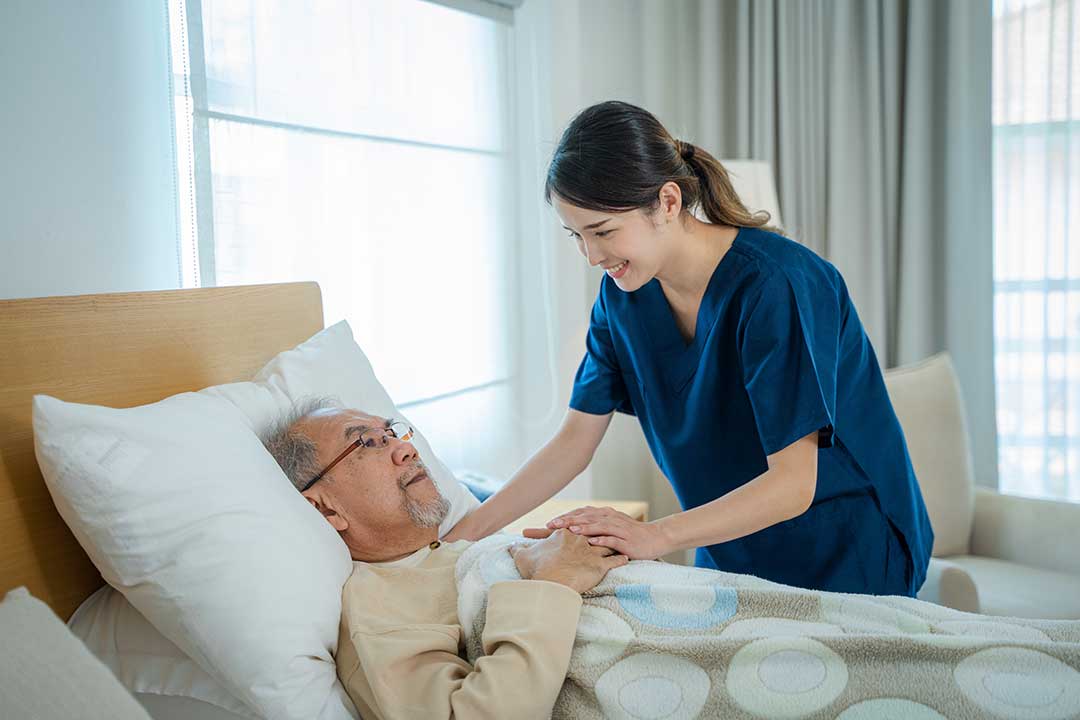
Yes, familiar creative activities may be especially useful for residents with memory changes, but the activity should focus on enjoyment rather than producing a specific result. Music, rhythmic movement, familiar scents, photo sorting, and simple art projects may encourage participation even when verbal instructions are difficult to follow.
Short, predictable activities are often easier than projects with many steps. Demonstrating one action at a time can help. For example, an activity leader might place one piece of paper and one crayon in front of the resident, then show the first step instead of explaining the entire project at once.
Avoid correcting every detail or asking questions that may feel like tests. Open-ended prompts such as “Tell me about this color” or “What does this song remind you of?” can support conversation without creating pressure.
How can assisted living activity areas be made safer?
Creative spaces should be comfortable, well lit, and arranged for easy movement. Supplies need to match residents’ abilities and should be checked for small parts, sharp edges, toxic materials, or strong odors.
Helpful precautions include:
- Using nonslip surfaces beneath paper, containers, or small projects
- Choosing washable, non-toxic materials
- Providing adaptive scissors or larger handles when appropriate
- Keeping frequently used supplies within easy reach
- Limiting clutter on tables and walkways
- Offering seated and standing options when safe
- Allowing rest periods for residents who fatigue easily
Any activity involving heat, cutting tools, chemicals, or electrical equipment requires appropriate supervision. Individual care plans and facility safety procedures should guide participation, especially for residents with balance concerns, swallowing risks, reduced vision, or cognitive impairment.
How can residents make hobbies more social?
A creative activity becomes more meaningful for many people when it creates a reason to talk. Residents can work on a shared mural, contribute recipes to a community cookbook, exchange handmade cards, or create a display about local memories and family traditions.
Small groups may be more comfortable than large gatherings. A two-person project, such as sorting photographs or creating a seasonal centerpiece, can encourage conversation without overwhelming someone who is shy or easily distracted.
Residents may also enjoy teaching one another. A person who knows how to knit, play an instrument, draw, sew, or tell stories can share techniques and experiences. Teaching can reinforce confidence and give the activity a clear purpose.
Creative hobbies do not need to produce expensive decorations or finished artwork. Their value often comes from the process: choosing colors, remembering a song, handling materials, sharing a story, or spending relaxed time with another person. In assisted living, a suitable hobby is one that respects the resident’s preferences while offering a manageable opportunity for expression, connection, and enjoyment.
